Restaurant signs are far more than simple identifiers—they are powerful tools that shape first impressions, guide customers, and influence dining decisions. In a competitive food and hospitality industry, signage often determines whether a passerby becomes a guest. From exterior signs that draw people in to interior signs that enhance ambiance and efficiency, restaurant signage plays a crucial role in both branding and daily operations. 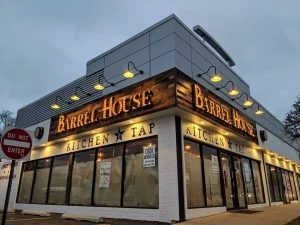
One of the most important functions of restaurant signs is visibility. Exterior signage helps customers find the restaurant quickly, whether they are walking by, driving past, or searching for a destination at night. Illuminated signs, channel letters, blade signs, and window graphics ensure that a restaurant stands out among neighboring businesses. Clear visibility builds confidence—customers are more likely to enter a place that looks open, welcoming, and easy to identify.
Restaurant signs also help define the brand and atmosphere. The style of signage—whether rustic, modern, playful, or elegant—sets expectations before a guest even steps inside. A casual café might use chalkboard-style signs and warm lighting, while an upscale restaurant may feature sleek metal lettering or subtle backlit signage. Consistent design across exterior signs, menus, and interior graphics reinforces the restaurant’s personality and makes the experience feel intentional and cohesive.
Inside the restaurant, signage supports clarity and efficiency. Menu boards, wayfinding signs, restrooms signs, and ordering instructions help customers navigate the space comfortably. Clear menu signage speeds up ordering, reduces confusion, and improves flow during busy periods. Well-placed signs allow staff to focus on service rather than answering repetitive questions, improving both customer satisfaction and operational efficiency.
Promotional and informational signs also play an important role in boosting sales. Signs that highlight specials, happy hours, seasonal items, or featured dishes can influence purchasing decisions and encourage upselling. Even small signs placed at the point of decision—near the counter or table—can have a significant impact on average order value.
The effectiveness of restaurant signage depends heavily on the expertise of a professional sign maker. Designing signs for restaurants requires a balance between visibility, readability, and aesthetics. A professional sign maker understands how to choose fonts, colors, and layouts that are easy to read in different lighting conditions while still aligning with the restaurant’s brand. Poorly designed signs can be hard to read, cluttered, or out of place, weakening the overall experience.
Material selection is another critical factor. Restaurants are high-traffic environments with exposure to heat, moisture, grease, and frequent cleaning. Professional Phoenix sign maker recommend durable materials such as acrylic, metal, laminated panels, or commercial-grade digital displays that maintain their appearance over time. Using the right materials ensures signage stays clean, safe, and visually appealing. If you are interested to know more you can visit https://www.phoenixsigncompany.org/
Installation and placement are equally important. Signs must be positioned where customers naturally look, without creating obstructions or safety issues. A professional sign maker ensures proper mounting, spacing, and compliance with local regulations, especially for illuminated or exterior signage.
Beyond function, restaurant signs contribute to trust and credibility. Clean, well-crafted signage signals professionalism and care—qualities customers associate with good food and service. In contrast, faded or poorly maintained signs can create doubt before a meal even begins.
In conclusion, restaurant signs are essential ingredients in a successful dining experience. When designed and installed by an experienced sign maker, restaurant signage attracts attention, reinforces branding, improves efficiency, and enhances customer confidence. The right signs don’t just show people where to eat—they invite them in and set the tone for a memorable experience.
